gaming industryVERIFIED WIRE DISPATCH
Zelda Ocarina of Time Navi Design Origins Revealed [Confirmed]
217
217GS Esports WireVIP Gaming Network:
Key Match & Meta Takeaways
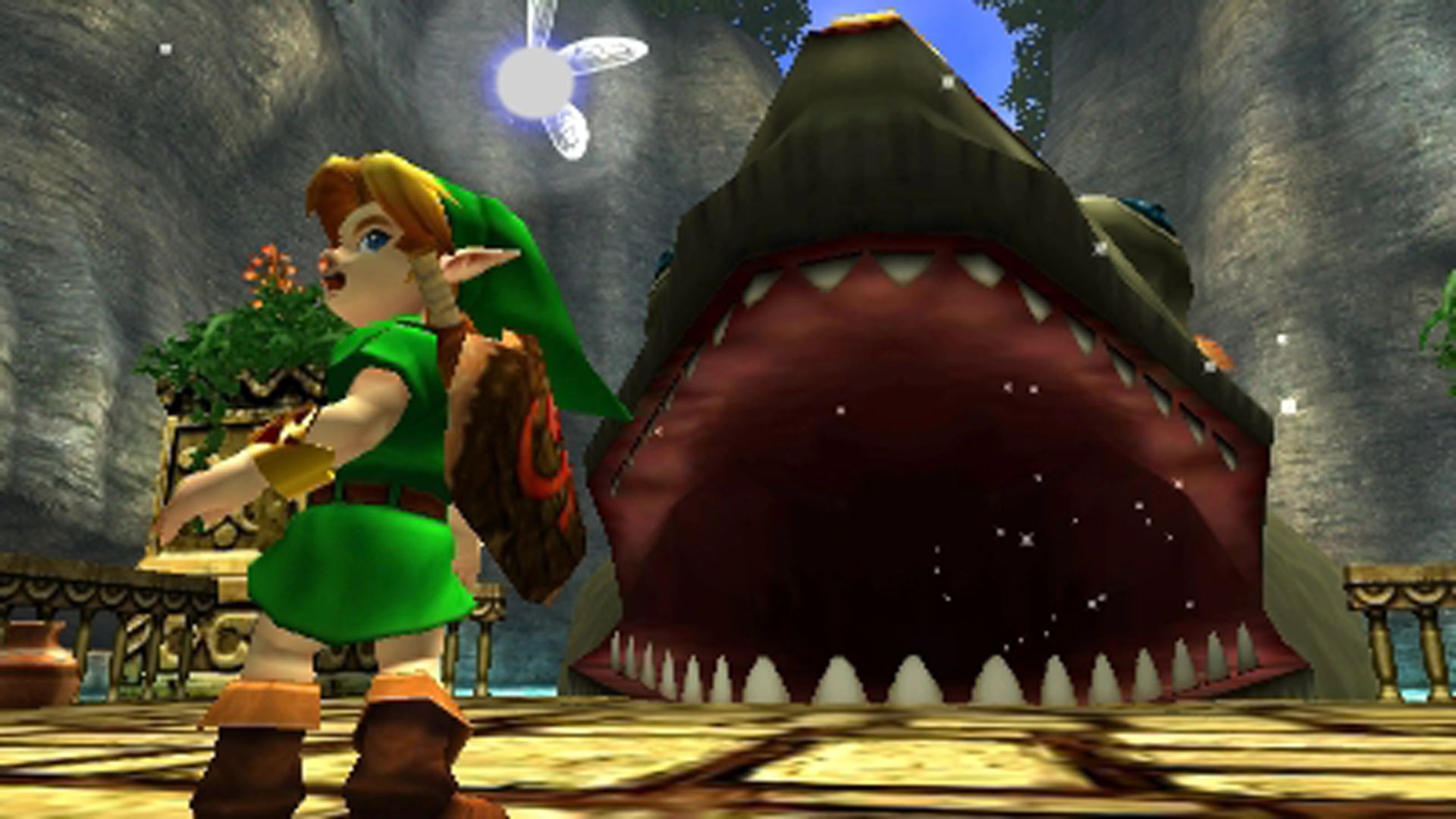
- •Nintendo designer Yoshiaki Koizumi confirmed Navi was originally drafted as a miniature human girl before Nintendo 64 hardware memory limits intervened.
- •Engineers pivoted to an ethereal orb with fairy wings to preserve technical processing power while cementing the historic 3D Z-targeting lock-on system.
- •Legacy speedrun communities and retro franchise collectors continue setting marketplace records, benchmarking high-value vintage game cartridges on 217G escrow platforms safely.
217GS VIP Gaming Network
Get daily verified redeem codes, tournament custom rooms & UC giveaways directly on your phone.
Breaking Overview & Situation Report
The Legend of Zelda: Ocarina of Time companion Navi was originally designed as a miniature human girl before severe Nintendo 64 memory limits forced creator Yoshiaki Koizumi to replace her character model with an illuminated winged orb to preserve engine performance. According to verified reports from GamesRadar revisiting historical development disclosures, Koizumi conceptualized Link's companion during early combat experiments requiring an invisible lock-on reticle. Because rendering a fully articulated humanoid female character alongside Link and hostile mobs exceeded the 4MB unified RAM pool of the base console, the team pivoted to a minimalist luminous sphere. That minimalist sphere eventually received fairy wings, becoming Navi, whose signature 'Hey, Listen!' audio cues shaped generations of 3D adventure gameplay. While modern studios leverage generative computing—prompting debates highlighted in [Valve AI Rules Slapped by Epic Boss Tim Sweeney [Update 2026]](/news/valve-steam-ai-disclosure-epic-games-sweeney-backlash)—vintage Nintendo engineers relied on sheer compositional austerity. Navi's technical transformation proved serendipitous, transforming a resource constraint into one of gaming's most memorable visual motifs.
Competitive & Tournament Impact
Navi's visual economy directly engineered modern third-person combat navigation. By stripping away extraneous polygons, Nintendo allocated precious N64 clock cycles to Z-targeting, establishing the spatial lock-on mechanic that underpins contemporary competitive action titles, souls-likes, and third-person shooters today. In competitive Zelda speedrunning, Navi serves as both an indispensable routing anchor and a tactical hurdle. Elite runners in Any% and 100% categories manipulate Navi's text box triggers and proximity alerts to preserve optimal movement lines, buffer text skips, and maintain maximum forward velocity through precise side-hops. The fairy's camera centering enables pixel-perfect angle alignment required for actor clipping, door-warps, and Deku Tree skip setups. Had Nintendo utilized a high-polygon character model, the resulting frame drops would have fundamentally degraded the engine's 20 FPS internal timing. Instead, Navi's efficient design fostered the high-skill ceiling and frame-precise execution that defined speedrun records across three decades of competitive legacy leaderboards.
Market & Ecosystem Relevance
Retrospective revelations surrounding milestone releases routinely catalyze secondary collectible interest across retro gaming and competitive account marketplaces. Original pristine cartridges of Ocarina of Time command premium valuations among vintage hardware archivists, mirroring the digital scarcity trends visible across modern competitive games. Just as collector-grade items and pristine accounts change hands on secondary circuits, demand for authenticated vintage gaming hardware and high-tier competitive accounts remains resilient. On 217G, regional transaction benchmarks for verified competitive accounts and rare legacy cosmetic profiles consistently settle between PKR 20,000 to PKR 100,000 (AED 300 to AED 1,500). Whether gamers are securing pristine collector-edition profiles or trading elite game assets, transaction integrity remains vital. Using 217G verified escrow protection eliminates counterparty risks, ensuring buyer funds and authenticated digital deliverables transfer smoothly. The enduring cultural relevance of characters like Navi reinforces how iconic intellectual property sustains long-term liquidity across both physical and digital gaming marketplaces.
Looking Ahead
With the Zelda franchise approaching major anniversary milestones in late 2026, Nintendo's upcoming hardware roadmap promises renewed retrospectives on formative 3D game design. Archivists and competitive speedrunning communities anticipate further documentary insights and official emulated remasters scheduled across 2026 tournament exhibitions. As next-generation hardware architectures minimize rendering bottlenecks, industry analysts will watch how developer retrospective revelations continue driving interest across modern gaming communities and retro preservation circuits alike.
VERIFIED SEARCH QUESTIONS
Extracted for Competitive GamersFrequently Asked Questions & Practical Advice
Q1:Why was Navi designed as a glowing ball in Ocarina of Time?▼
Navi was designed as a glowing winged ball because the Nintendo 64 hardware could not process a fully articulated human companion model alongside Link and enemies within its 4MB RAM budget. Designer Yoshiaki Koizumi opted for a lightweight luminescent sphere to enable smooth Z-targeting combat mechanics.
Q2:What is the significance of Navi's Z-targeting in competitive gaming?▼
Navi's Z-targeting system revolutionized 3D game navigation by introducing camera-focused lock-on combat. In competitive speedrunning, players exploit Navi's focal tracking to execute pixel-perfect movement angles, text box skips, and boundary clips, transforming an N64 hardware workaround into a foundational mechanic of modern third-person action gaming.
Q3:Where can collectors safely trade rare gaming accounts and memorabilia?▼
Collectors and competitive players can safely acquire high-value gaming accounts, vintage software, and rare digital assets through the 217G verified marketplace. Utilizing 217G verified escrow protection guarantees that every transaction is authenticated, protecting both buyers and sellers against fraud across regional tiers spanning PKR 20,000 to PKR 100,000.
DAILY DROP HUB
🎁Claim Free Fire & PUBG Redeem Codes →
2026 PRO RANKING
🎯View Weekly Weapon & Hero Tier Lists →
Search Topics:#Zelda#Nintendo#Navi#217G Intel#Esports News#Marketplace
Verified Gaming Escrow
Visit 217G.com →Want Verified Accounts & Competitive Loadouts?
Check out 217G Marketplace for Glacier skins, X-Suits, high-tier competitive gaming accounts, and instant escrow transfer.
COMMUNITY META DEBATE
Which weapon dominates the current 2026 competitive patch?
3,660 votes cast
Click any weapon to vote and reveal live community sentiment.
Discuss on WhatsApp (0344 329 2360)