gaming industryVERIFIED WIRE DISPATCH
Yu-Gi-Oh Anime: Shonen Jump Dragon Ball Threat [Confirmed]
217
217GS Esports Wire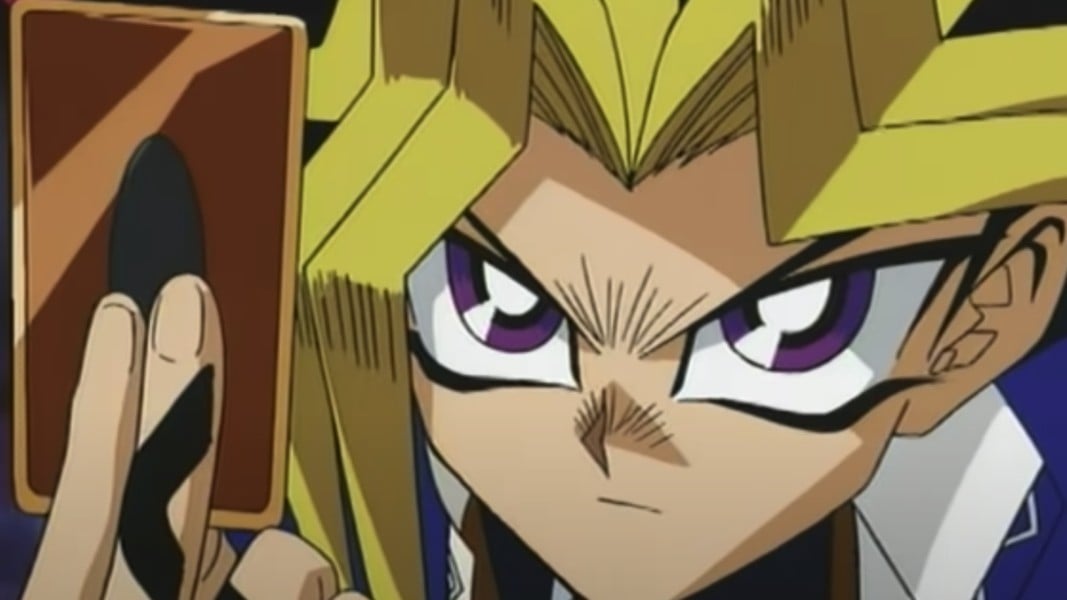
Key Match & Meta Takeaways
- •Weekly Shonen Jump publisher Shueisha threatened Toei Animation in 1999 with revoking Dragon Ball merchandising rights over blocked Yu-Gi-Oh television licensing negotiations.
- •Torishima’s leverage bypassed Toei’s corporate obstruction, enabling Studio Gallop to launch Duel Monsters and establish the card game's global competitive tournament circuit.
- •The resolution solidified Konami’s TCG and Master Duel virtual card economies, with premium competitive accounts valued between PKR 20,000 and 100,000.
Breaking Overview & Situation Report
Weekly Shonen Jump editor-in-chief Kazuhiko Torishima directly forced Toei Animation to surrender its anime rights to Yu-Gi-Oh! in 1999 by threatening to immediately revoke the studio's lucrative secondary merchandising license for Dragon Ball Z, unlocking the iconic Duel Monsters franchise. According to verified reports from Kotaku, veteran production planner Yoshiro Kataoka exposed the standoff during an interview with Kaishi Professional University. While Toei produced the initial 1998 adaptation (often dubbed Season 0), the series performed poorly domestically. Consequently, Toei refused to finance a sequel yet simultaneously weaponized contract clauses to block rival studios from producing new seasons, despite booming manga readership. Much like modern entertainment disputes examined in the [Doom History Debate: Romero & Petersen Clash [Confirmed]](/news/doom-creators-debate-history-origins), intellectual property gridlocks frequently stall massive franchises. Facing Toei’s corporate refusal in late 1999, Torishima issued an ultimatum targeting Toei’s primary revenue driver: relinquish the card game anime, or lose global commercialization rights for Akira Toriyama’s Dragon Ball empire. Toei capitulated immediately, paving the way for Studio Gallop’s legendary 2000 adaptation.
Competitive & Tournament Impact
Torishima’s high-stakes gamble laid the foundational blueprint for modern competitive trading card gaming and digital esports. Studio Gallop's 2000 reboot shifted the narrative focus from dark occult puzzles to structured Duel Monsters mechanics, directly inspiring Konami's Official Card Game (OCG) tournament infrastructure and international Yu-Gi-Oh! Championship Series (YCS). Without this decisive licensing pivot, the competitive card ecosystem would never have achieved its current meta balance, characterized by complex combo archetypes, hand-trap timing, and intricate side-deck rotations. Modern digital implementations like Yu-Gi-Oh! Master Duel now mirror tier-one esports formats, featuring global qualifier brackets, regional leaderboards, and World Championship invites. Tactical roster preparations now demand precise engine tuning and strict hand-trap disruption ratios across best-of-three series. By wrenching the property away from Toei's narrative dead-end, Shueisha inadvertently built a multi-decade competitive standard that still defines card battler bracket strategy across global circuits today.
Market & Ecosystem Relevance
From a digital asset and merchandising perspective, the standoff catalyzed an intellectual property worth billions across physical cards, video games, and digital collectibles. The resulting media ecosystem established liquid secondary trading markets for both physical rarities and modern digital accounts. In contemporary card esports, high-ranking Master Duel competitive IDs boasting full staple suites, Royal Rare finishes, and legacy cosmetics command steady secondary value, ranging from PKR 20,000 to PKR 100,000 (AED 300 to AED 1,500) depending on collection completeness. Furthermore, the longevity of these legacy brands reinforces marketplace stability, encouraging active player investment across competitive titles. As trading volume swells across regional communities, players rely on 217G verified escrow protection to secure account acquisitions, authenticating rare cosmetic ownership and preventing chargeback fraud. Just as Shueisha guarded its intellectual property with unyielding leverage, 217G secures peer-to-peer asset liquidity through bank-grade settlement verification.
Looking Ahead
Looking ahead into late 2026, Konami is preparing its next major Yu-Gi-Oh! World Championship circuit alongside comprehensive banlist revisions across Master Duel and the physical TCG. Regional qualifiers for the 2026 championship ladder begin rollouts in November, while upcoming digital client patches promise expanded cross-platform lobby spectator tools. Competitive duelists must monitor shifting forbidden lists and staple rotations as organizations finalize their roster selections before seasonal regional lockdowns.
Verified Gaming Escrow
Visit 217G.com →Want Verified Accounts & Competitive Loadouts?
Check out 217G Marketplace for Glacier skins, X-Suits, high-tier competitive gaming accounts, and instant escrow transfer.