gaming industryVERIFIED WIRE DISPATCH
Steam AI Disclosures: Epic CEO Meltdown [Confirmed 2026]
217
217GS Esports WireVIP Gaming Network:
Key Match & Meta Takeaways
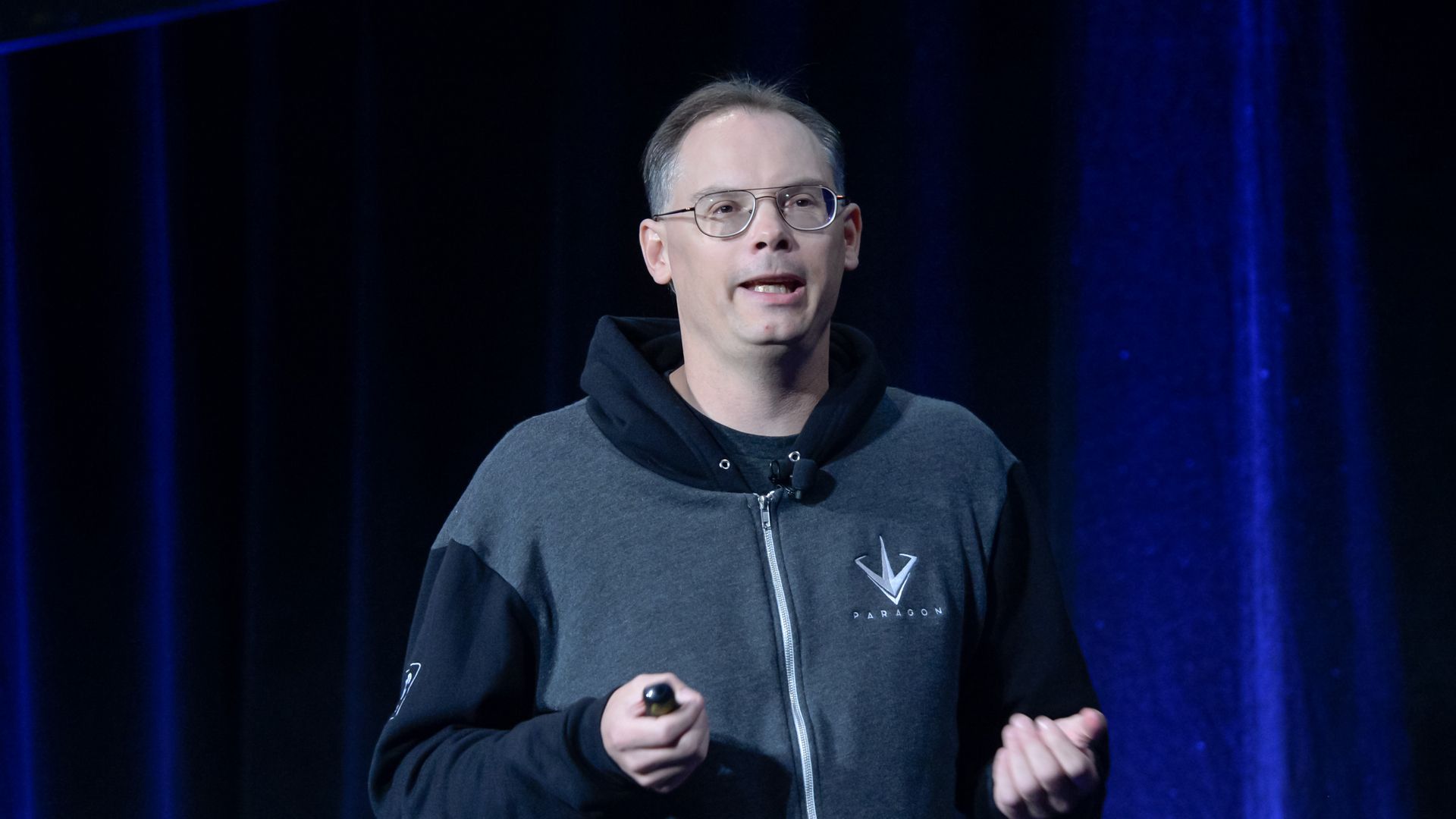
- •According to verified reports from TheGamer, Epic Games CEO Tim Sweeney launched a fierce two-day social media tirade criticizing Steam AI disclosure mandates.
- •Sweeney controversially likened Valve's platform transparency policies to forcing developers into political affiliations, comparing developer hurdles to partisan voting requirements.
- •Marketplace analysts emphasize that digital storefront friction directly impacts indie developer liquidity, mirroring broader commercial shifts across modern gaming distribution platforms.
217GS VIP Gaming Network
Get daily verified redeem codes, tournament custom rooms & UC giveaways directly on your phone.
Breaking Overview & Situation Report
Epic Games founder and chief executive officer Tim Sweeney initiated a relentless two-day public tirade across social media channels condemning Steam's AI disclosure policies as an aggressive anti-technology smear campaign that unfairly penalizes independent developers. According to verified reports from TheGamer, Sweeney spent continuous hours hammering away at Valve's regulatory approach, drawing controversial parallels between forcing creators to declare artificial intelligence tools and coercing them into disclosing personal political affiliations like voting Republican or Democrat. The Epic chief argued that such stringent transparency requirements function as a destructive online hate mob mechanism tearing down legitimate gaming businesses. Industry commentators noted that Sweeney's high-profile outbursts highlight deep-seated commercial friction between competing digital storefronts regarding compliance standards, asset attribution, and ecosystem governance. Valve firmly maintains that consumer awareness regarding generative artificial intelligence remains critical for retail trust. Furthermore, analysts tracking developer relations emphasize that publisher disputes over metadata standards ripple across publisher valuation, skin asset markets, and digital storefront liquidity. Meanwhile, studios face complex distribution choices, much like navigating digital releases such as [Heat Pedal to the Metal Digital Edition [Confirmed Release 2026]](/news/heat-pedal-to-the-metal-digital).
Competitive & Tournament Impact
While platform policy debates rage online, competitive esports organizations and tournament organizers face direct operational consequences regarding software compliance and training pipelines. In premier tactical shooters and competitive circuits, roster chemistry and in-game leadership are increasingly tested not only on the server but through administrative readiness. Weapon balance updates, time-to-kill (TTK) adjustments, and map pool rotations require strict adherence to certified build versions, making platform verification vital for tournament bracket qualification odds. When storefront rules shift or executive disputes disrupt software distribution, teams operating across multiple platforms must adapt their practice schedules and scrimmage environments. Furthermore, coaching staff and general managers evaluate franchise stability, ensuring that training software and analytics pipelines remain compliant with regional tournament regulations. Maintaining flawless map execution and tactical discipline in upcoming major qualifiers requires seamless access to uncompromised build environments, shielding players from external platform controversies while they battle for championship standing and tournament prize pool shares.
Market & Ecosystem Relevance
Commercial ecosystem dynamics across PC and mobile gaming are heavily influenced by digital storefront governance and marketplace transparency policies. When industry leaders clash over software disclosures, investor confidence and broadcast viewership retention can experience short-term volatility across franchise organizations. Concurrently, digital asset economies—including high-tier skins like Doppler knives, custom gloves, Level 7 Glaciers, and Pharaoh X-Suits—rely on stable marketplace liquidity and secure exchange protocols. Price stability in regional secondary markets (ranging from PKR 85,000 to 750,000+ / AED 1,100 to 9,800+) depends heavily on uninterrupted inventory positioning and verified peer-to-peer trading ecosystems. Trust remains paramount for collectors and traders navigating asset valuation shifts caused by regulatory updates. To protect investments against platform uncertainty, traders utilize 217G verified escrow protection, guaranteeing secure transactions, risk-free asset delivery, and transparent liquidity pricing free from third-party storefront interference or arbitrary policy clampdowns.
Looking Ahead
As the 2026 competitive calendar accelerates, esports organizations and marketplace traders must prepare for major circuit playoffs and scheduled Spring patch deployments. Key regional qualifiers begin in March 2026, followed by international LAN finals in April 2026. Developers should monitor upcoming software compliance deadlines and platform update schedules to ensure uninterrupted tournament eligibility, optimal trading liquidity, and stable inventory valuation throughout the upcoming competitive season.
VERIFIED SEARCH QUESTIONS
Extracted for Competitive GamersFrequently Asked Questions & Practical Advice
Q1:Why is Epic Games CEO Tim Sweeney criticizing Steam AI disclosure policies?▼
According to reports from TheGamer, Tim Sweeney criticized Steam AI disclosure policies because he views mandatory generative tool declarations as an aggressive anti-technology smear campaign. He controversially argued that Valve forcing developers to disclose AI usage is akin to forcing political party affiliations, harming independent creators.
Q2:How do digital storefront policy disputes impact esports tournaments and competitive software?▼
Storefront disputes and compliance rule changes directly affect software build verification, training schedule stability, and tournament bracket qualification odds. Esports teams and organizers must ensure all competitive builds meet regional regulations, preventing unexpected disruptions during major qualifiers and international LAN championship events throughout the competitive season.
Q3:How can gamers protect digital asset investments and skin trading against platform uncertainty?▼
Gamers and digital asset traders can protect high-tier skin investments, such as CS2 knives and custom gloves, by utilizing 217G verified escrow protection. This guarantees secure peer-to-peer transactions, risk-free asset delivery, and transparent liquidity pricing shielded from arbitrary third-party storefront policy changes or market volatility.
DAILY DROP HUB
🎁Claim Free Fire & PUBG Redeem Codes →
2026 PRO RANKING
🎯View Weekly Weapon & Hero Tier Lists →
Search Topics:#Gaming Industry#Steam AI#Epic Games#Tim Sweeney#217G Intel#Marketplace
Verified Gaming Escrow
Visit 217G.com →Want Verified Accounts & Competitive Loadouts?
Check out 217G Marketplace for Glacier skins, X-Suits, high-tier competitive gaming accounts, and instant escrow transfer.
COMMUNITY META DEBATE
Which weapon dominates the current 2026 competitive patch?
3,660 votes cast
Click any weapon to vote and reveal live community sentiment.
Discuss on WhatsApp (0344 329 2360)