gaming industryVERIFIED WIRE DISPATCH
Starlink vs 5G Gaming Latency: Complete Speed Test [Confirmed]
217
217GS Esports WireVIP Gaming Network:
Key Match & Meta Takeaways
- •According to verified reports from Engadget, recent network evaluations compare Starlink satellite internet and 5G cellular connectivity speeds for modern digital infrastructure.
- •Low-latency connections dictate competitive esports success, where sub-20ms ping variations directly impact tactical execution, peek advantages, and tournament round victories.
- •High-speed connectivity empowers seamless digital asset trading, secure skin liquidity, and instant account transactions backed by 217G verified escrow protection standards.
217GS VIP Gaming Network
Get daily verified redeem codes, tournament custom rooms & UC giveaways directly on your phone.
Breaking Overview & Situation Report
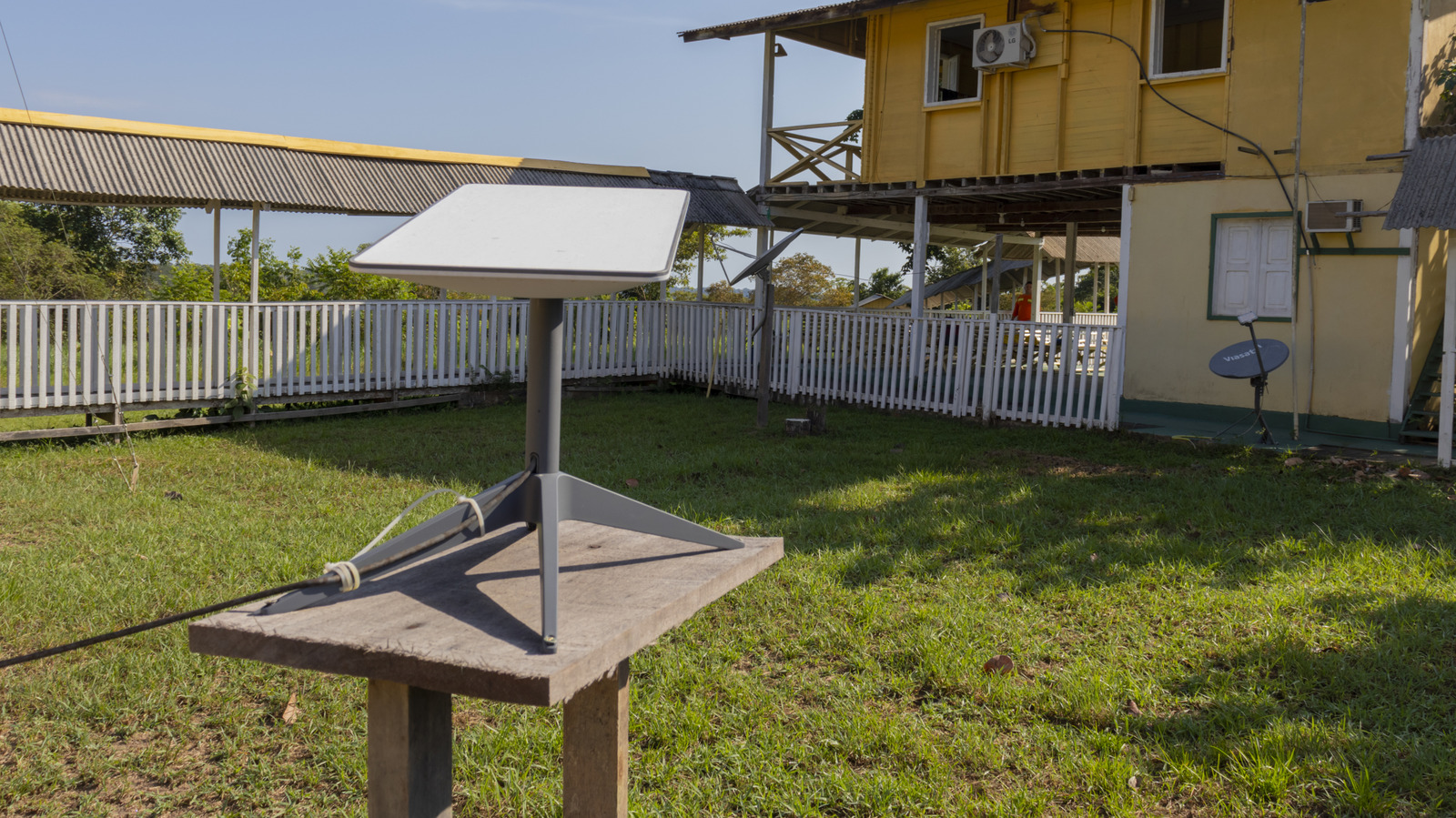
Starlink satellite internet and 5G cellular networks both deliver high-speed broadband connections, but profound architectural differences in latency, regional coverage, and packet stability dictate optimal performance for competitive gamers worldwide, according to verified reports from Engadget. While modern 5G delivers exceptionally low ping in dense urban environments through local cellular towers, Starlink provides robust broadband access to remote rural areas previously isolated from high-speed digital infrastructure. Gamers weighing these competing technologies must carefully examine jitter, packet loss, and connection consistency during peak evening traffic hours. For professional esports competitors and regional tournament hopefuls, maintaining a stable sub-30ms ping remains non-negotiable for high-tier matchmaking and flawless reaction times. Furthermore, reliable internet connectivity underpins digital asset management, ensuring secure player account updates and real-time marketplace evaluations. Network infrastructure upgrades frequently parallel major competitive hardware investments, much like optimizing professional gaming peripherals witnessed during elite showcases such as the [Razer Rocket League FUSE Cup Finals: Pro Gear [Confirmed]](/news/razer-fuse-cup-rocket-league). Understanding how low-Earth orbit satellite constellations and terrestrial cellular nodes handle continuous data streams ensures that modern gamers can effectively minimize input lag, eliminate frustrating rubberbanding spikes, and maintain peak competitive readiness across demanding global servers throughout 2026.
Competitive & Tournament Impact
Network latency directly influences time-to-kill (TTK) responsiveness, peek advantages, and overall roster chemistry during high-stakes competitive matches. In fast-paced tactical shooters and battle royales, even a minor ten-millisecond ping fluctuation can alter a player's ability to win crucial gunfights, execute flawless map rotations, or secure tournament bracket qualification. Teams practicing from remote bootcamps historically struggled with connection jitter and packet loss, hampering coordinated execute strategies and site retakes. Evaluating Starlink versus 5G connectivity solutions provides professional rosters with viable alternatives to traditional landline broadband, especially when traveling to remote offline qualifier venues or establishing temporary training compounds. Stable connection metrics directly enhance individual player confidence, translating into sharper reflex execution under pressure and improved consistency across multi-map tournament series. By eliminating unpredictable lag spikes, competitive squads can focus entirely on strategic adaptation, opponent reading, and tactical execution without fearing sudden disconnection penalties during pivotal tournament moments.
Market & Ecosystem Relevance
Reliable high-speed internet connectivity directly accelerates player economy activity and digital asset liquidity across global gaming marketplaces. When gamers enjoy uninterrupted connection speeds, engaging in high-value peer-to-peer transactions—such as trading rare Level 7 Glaciers, coveted Pharaoh X-Suits, or pristine CS2 knives—becomes seamless and secure. Network disconnections during high-stakes marketplace auctions or escrow transfers can result in devastating financial losses and missed trading windows. Utilizing robust connections like 5G or Starlink ensures real-time price monitoring and instantaneous trade confirmations. At 217G, verified peer-to-peer escrow protection safeguards every transaction, ensuring that digital asset liquidity remains high and player accounts are fully protected against fraudulent chargebacks or connection drops. As regional esports infrastructure modernizes throughout 2026, secure connectivity empowers active traders and competitive grinders to manage extensive digital inventories with absolute peace of mind, driving sustainable economic growth across the entire gaming marketplace ecosystem.
Looking Ahead
As telecommunications providers expand satellite and cellular infrastructure throughout 2026, upcoming network patches and hardware rollouts will further optimize latency for competitive gamers. Esports organizations and tournament organizers are scheduled to evaluate hybrid connectivity solutions ahead of major international LAN circuits and regional qualifiers slated for late Q2 and Q3 2026, ensuring pristine competitive integrity across all participating esports divisions globally.
VERIFIED SEARCH QUESTIONS
Extracted for Competitive GamersFrequently Asked Questions & Practical Advice
Q1:How does Starlink latency compare to 5G for competitive gaming?▼
Starlink typically delivers latencies ranging from 25ms to 50ms depending on satellite visibility, whereas urban 5G networks can achieve sub-20ms ping due to proximate cellular towers. However, 5G can suffer from tower congestion during peak hours, whereas Starlink provides stable rural broadband connectivity.
Q2:Is satellite internet reliable enough for professional esports tournaments?▼
While traditional fiber remains the gold standard for tier-1 LAN events, modern Starlink constellations and advanced 5G networks offer sufficient bandwidth and stability for remote online qualifiers, bootcamps, and practice sessions, provided packet loss remains minimal and unobstructed overhead views are maintained consistently.
Q3:How does connection stability affect digital skin trading and marketplace security?▼
Stable high-speed internet connectivity ensures uninterrupted access during high-value peer-to-peer digital asset transactions, actively preventing accidental network disconnects during live escrow verifications and marketplace bids for rare gaming collectibles like CS2 knives and PUBG Mobile X-Suits, which are safely protected by 217G verified escrow security protocols.
DAILY DROP HUB
🎁Claim Free Fire & PUBG Redeem Codes →
2026 PRO RANKING
🎯View Weekly Weapon & Hero Tier Lists →
Search Topics:#Starlink#5G Gaming#Esports Latency#217G Intel#Esports News#Marketplace
Verified Gaming Escrow
Visit 217G.com →Want Verified Accounts & Competitive Loadouts?
Check out 217G Marketplace for Glacier skins, X-Suits, high-tier competitive gaming accounts, and instant escrow transfer.
COMMUNITY META DEBATE
Which weapon dominates the current 2026 competitive patch?
3,660 votes cast
Click any weapon to vote and reveal live community sentiment.
Discuss on WhatsApp (0344 329 2360)