gaming industryVERIFIED WIRE DISPATCH
Samsung Galaxy Wireless PowerShare: How to Use [Full Guide]
217
217GS Esports WireVIP Gaming Network:
Key Match & Meta Takeaways
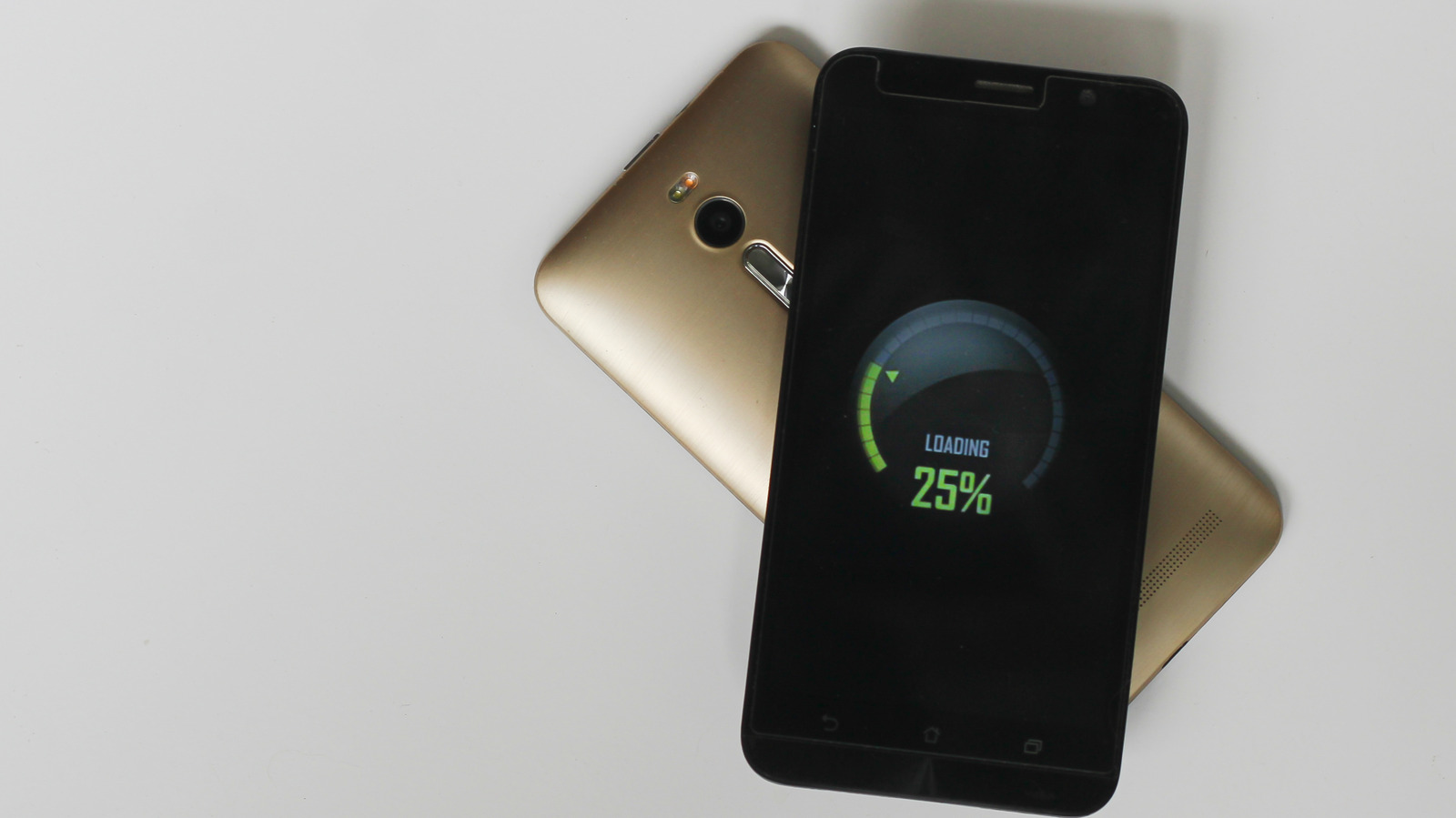
- •Samsung Galaxy flagship phones allow users to wirelessly transfer battery charge directly into accessories and rival devices through built-in Qi PowerShare functionality in 2026.
- •Mobile esports players can maintain uninterrupted tournament communications by siphoning backup power to team headsets, earbuds, and secondary competitive devices during long scrimmages.
- •Reliable hardware uptime protects player rank grinds and competitive inventory values, where top PUBG Mobile accounts trade between PKR 20,000 and 100,000 on 217G.
217GS VIP Gaming Network
Get daily verified redeem codes, tournament custom rooms & UC giveaways directly on your phone.
Breaking Overview & Situation Report
Samsung Galaxy Wireless PowerShare allows owners of Galaxy S20 through S26, Note, and Z Fold devices to instantly reverse-charge secondary smartphones, wireless earbuds, and wearables by placing them back-to-back, resolving emergency battery drain during high-stakes mobile gaming marathons. According to verified reports from Engadget, activating the feature requires only a quick swipe down to the Android notification panel and toggling the Wireless PowerShare icon before aligning hardware coils. Supported transmitter devices span modern flagship releases, including the Galaxy S20 to S26 series, Note 10 and 20 lineups, Z Flip, Z Fold, and the Z TriFold. Meanwhile, legacy hardware such as the Galaxy S7 through S9 and Note 8 can receive incoming inductive juice despite lacking outbound transmission capabilities. Much like mobile device management discussions surrounding the [Apple iOS 27.2 Update: New Siri AI Tools [Update 2026]](/news/apple-ios-27-2-siri-ai-update), modern handheld power sharing has become essential for portable esports setups. Engadget emphasizes that optimal induction requires clearing thick protective cases and centering hardware cleanly to maintain stable inductive loops. Should the transmitting handset fall below a designated safety threshold, often preset around thirty percent, the operating system terminates outbound transfer automatically to preserve fundamental operational power.
Competitive & Tournament Impact
In competitive mobile titles like PUBG Mobile, Free Fire, and Call of Duty: Mobile, hardware reliability directly dictates tournament execution and ladder progression. A dead low-latency audio monitor or discharged secondary coach device during live offline circuit qualifiers can dismantle map rotations and split-second communication. Wireless PowerShare provides mobile esports athletes with an on-the-fly emergency lifeline between bracket rounds without crowding venue charging stations. Squad captains can revitalize team comms earbuds or top up a teammate's depleted phone before dropping into decisive circle rotations. Furthermore, maintaining hardware readiness prevents forfeit penalties and dropped frames caused by aggressive thermal throttling under low-battery power saving modes. When every micro-second of reaction time influences qualification odds for major championships, hardware redundancy becomes an active tactical safeguard. Teams competing across international stages increasingly integrate reverse-charging protocols into equipment checklists, ensuring seamless peripheral uptime throughout back-to-back five-game series.
Market & Ecosystem Relevance
The broader mobile esports economy depends heavily on continuous in-game activity, driving active digital skin liquidity and player asset values across regional hubs. Disrupted grind sessions and device dropouts threaten competitive ranking, which directly impacts the valuation of high-tier competitive accounts. On the 217G gaming marketplace, verified tournament IDs featuring Level 7 Glacier M416s, maxed Pharaoh X-Suits, and mythic weapon skins command substantial liquidity, trading between PKR 20,000 and 100,000 or AED 300 to 1,500. Reliable hardware capabilities like Wireless PowerShare ensure elite account holders maintain rank standings without abrupt disconnects during high-stakes season pushes. When players decide to liquidate or upgrade their collections, 217G verified escrow protection provides ironclad peer-to-peer security, preventing fraud while guaranteeing instant payouts. As mobile gaming hardware matures alongside enterprise-grade infrastructure, device reliability directly underpins the secondary digital skin ecosystem and competitive marketplace confidence.
Looking Ahead
Samsung plans further Qi2 magnetic inductive enhancements across upcoming flagship updates scheduled throughout 2026, targeting faster transfer rates and tighter thermal dissipation. Mobile esports circuits preparing for summer 2026 championships are formalizing hardware guidelines regarding wireless sharing between tournament matches. As competitive seasons intensify, peripheral manufacturers will release optimized low-draw earbuds and battery-efficient wireless accessories designed explicitly to leverage reverse-charging capabilities on competitive stages worldwide.
VERIFIED SEARCH QUESTIONS
Extracted for Competitive GamersFrequently Asked Questions & Practical Advice
Q1:How do you turn on Samsung Wireless PowerShare?▼
To turn on Samsung Wireless PowerShare, swipe down from the top of your screen to open the Quick Settings panel, tap the Wireless PowerShare icon, and lay your phone face down. Place your Qi-compatible device or earbuds directly onto the center of the phone back to begin inductive charging immediately.
Q2:Which Samsung phones support Wireless PowerShare?▼
Wireless PowerShare transmission is supported on Samsung Galaxy S20 through S26 series, Galaxy Note 10 and 20 models, and Galaxy Z Fold and Flip lineups. Older hardware, including Galaxy S7 through S9 and Note 8 devices, can only receive wireless power from compatible host devices without outbound sharing capabilities.
Q3:Why did Samsung Wireless PowerShare stop charging automatically?▼
Samsung Wireless PowerShare automatically shuts down if the donor phone battery drops below a preset limit, typically 30 percent, to prevent host shutdown. It also terminates if devices shift out of coil alignment, if thick protective cases block Qi induction, or if thermal sensors detect excessive operating heat.
DAILY DROP HUB
🎁Claim Free Fire & PUBG Redeem Codes →
2026 PRO RANKING
🎯View Weekly Weapon & Hero Tier Lists →
Search Topics:#Samsung Galaxy#Wireless PowerShare#Mobile Gaming Hardware#217G Intel#Esports News#Marketplace
Verified Gaming Escrow
Visit 217G.com →Want Verified Accounts & Competitive Loadouts?
Check out 217G Marketplace for Glacier skins, X-Suits, high-tier competitive gaming accounts, and instant escrow transfer.
COMMUNITY META DEBATE
Which weapon dominates the current 2026 competitive patch?
3,660 votes cast
Click any weapon to vote and reveal live community sentiment.
Discuss on WhatsApp (0344 329 2360)