gaming industryVERIFIED WIRE DISPATCH
PEGI Loot Box Rules: Games Re-Rated to Age 16 [Confirmed]
217
217GS Esports WireVIP Gaming Network:
Key Match & Meta Takeaways
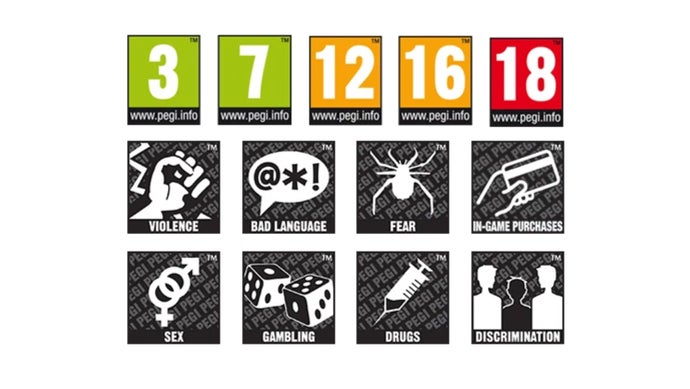
- •PEGI has officially begun retroactively elevating digital-only games containing paid loot box mechanics from PEGI 3, 7, and 12 tiers up to PEGI 16.
- •Competitive live-service rosters must overhaul in-game progression systems, as younger academy athletes face localized storefront compliance barriers and parental lockout restrictions during seasonal tournaments.
- •Secondary markets see surging demand for mature verified profiles, where rare cosmetics trade actively on 217G escrow platforms within safe PKR and AED brackets.
217GS VIP Gaming Network
Get daily verified redeem codes, tournament custom rooms & UC giveaways directly on your phone.
Breaking Overview & Situation Report
European ratings board PEGI has officially initiated a retroactive reclassification policy requiring all existing digital-only video games featuring paid random item mechanics, including loot boxes and gacha systems, to carry a minimum PEGI 16 age certification across digital storefronts. According to verified reports from GamesIndustry.biz, this major regulatory adjustment strips away lower PEGI 3, 7, and 12 badges from catalog titles across PlayStation Network, Xbox Store, Nintendo eShop, and Steam throughout European territories. The rating board clarified that automated classification systems utilized through the International Age Rating Coalition (IARC) now flag microtransactions with chance-based outcomes directly, triggering mandatory re-indexing. Publishers are being informed that titles containing randomized loot drops can no longer market themselves to younger demographics without stripping those systems entirely or deploying regional software builds. This mirrors broader international regulatory crackdowns on predatory consumer spending, echoing discussions previously spotlighted at industry summits alongside shifts like [GDC 2027 Dates: New Four-Day Schedule Revealed [Confirmed]](/news/gdc-2027-four-day-format-dates). Developers face strict compliance windows to either adjust digital storefront metadata, eliminate blind-box monetization in favor of direct-purchase storefront passes, or accept severe platform-level parental control barriers that could shrink incoming player registration pipelines.
Competitive & Tournament Impact
The shift to a baseline PEGI 16 classification introduces immediate friction for grassroots esports leagues, academy circuits, and minor tournament brackets. Live-service competitive ecosystems rely heavily on unrated teen talent pools to seed franchise rosters, but heightened age thresholds trigger automated console parental controls and regional account verification blocks. In-game tournament organizers must rethink roster chemistry and qualification eligibility when juvenile prospects cannot legally authenticate digital client instances during European LAN qualifications or online cups. Furthermore, weapon balance blueprints and seasonal cosmetic rewards often tied to gacha progression must be decoupled from competitive map pool execution. Esports organizations can no longer rely on automated drop mechanics to incentivize ranked grind hours among younger competitors. If developers restructure progression toward deterministic battle passes to bypass rating hikes, coaches expect more predictable meta mastery, while scrim participation stabilizes around standardized weapon TTK loadouts rather than randomized armory unlocks.
Market & Ecosystem Relevance
With storefronts restricting direct loot box exposure to younger demographics, player economy dynamics are shifting toward transparent, secondary market transactions. Digital skin liquidity for elite assets—ranging from Level 7 Glaciers and Pharaoh X-Suits to CS2 knives—is increasingly migrating away from first-party randomized crates toward structured peer-to-peer platforms. High-rank competitive accounts and grandfathered profiles with discontinued legacy drops now command significant liquidity premiums. 217G market analysts report steady trading volume for verified esports IDs, benchmarked across regional tiers between PKR 20,000 – 100,000 in South Asia and AED 300 – 1,500 in Middle Eastern hubs. To safeguard transactions amid tightening publisher regulations and compliance audits, gamers are prioritizing 217G verified escrow protection. This ironclad checkout infrastructure shields buyer funds, eliminates counterfeit fraud, and provides secure account ownership transfers as publishers phase out vintage gacha mechanics in favor of direct catalog purchasing.
Looking Ahead
European publishers must finish catalog compliance by mid-2026, aligning store listings before major competitive circuits begin. Winter 2026 balance patches across major live-service titles are expected to replace randomized crates with direct-purchase storefronts. Esports organizers will formalize updated rulebooks ahead of the autumn 2026 regional major qualifiers to accommodate age verification standards.
VERIFIED SEARCH QUESTIONS
Extracted for Competitive GamersFrequently Asked Questions & Practical Advice
Q1:Why is PEGI re-rating digital games with loot boxes to age 16?▼
PEGI is upgrading digital games with paid random items to a PEGI 16 rating to protect younger audiences from gambling-like mechanics. Automated rating tools like IARC now enforce strict classification flags, requiring titles with randomized monetization previously rated PEGI 3, 7, or 12 to immediately adopt the older rating threshold across Europe.
Q2:Will existing players lose access to their game accounts or inventory?▼
Current players retain full ownership of their in-game items, cosmetics, and account history without automated revocation. However, younger users with platform parental controls enabled on PlayStation, Xbox, or Nintendo consoles may face localized purchase restrictions or require guardian authorization to download future patch updates and competitive game seasons.
Q3:How does the PEGI 16 rating affect skin trading and account values?▼
Restricting in-game crate purchases increases the rarity and secondary market value of discontinued cosmetics and legacy competitive accounts. Collectors frequently trade verified high-rank profiles via 217G escrow protection to ensure guaranteed asset transfer security, with established competitive accounts currently trading between PKR 20,000 – 100,000 and AED 300 – 1,500.
DAILY DROP HUB
🎁Claim Free Fire & PUBG Redeem Codes →
2026 PRO RANKING
🎯View Weekly Weapon & Hero Tier Lists →
Search Topics:#PEGI#Loot Boxes#Gaming Industry#217G Intel#Esports News#Marketplace
Verified Gaming Escrow
Visit 217G.com →Want Verified Accounts & Competitive Loadouts?
Check out 217G Marketplace for Glacier skins, X-Suits, high-tier competitive gaming accounts, and instant escrow transfer.
COMMUNITY META DEBATE
Which weapon dominates the current 2026 competitive patch?
3,660 votes cast
Click any weapon to vote and reveal live community sentiment.
Discuss on WhatsApp (0344 329 2360)