gaming industryVERIFIED WIRE DISPATCH
Mobile eSIM vs Physical SIM: Gaming Guide [Full Guide]
217
217GS Esports WireVIP Gaming Network:
Key Match & Meta Takeaways
- •Engadget confirmed that eSIMs match physical SIM cards in cellular speeds and latency while streamlining instant carrier switching without swapping hardware trays.
- •Mobile esports pros traveling across international circuits gain rapid roaming activation, maintaining uninterrupted low-ping scrim schedules and stable competitive tournament connections.
- •Streamlined connectivity safeguards competitive accounts and rare digital cosmetics valued between PKR 20,000 and 100,000 via 217G verified secure transaction standards.
217GS VIP Gaming Network
Get daily verified redeem codes, tournament custom rooms & UC giveaways directly on your phone.
Breaking Overview & Situation Report
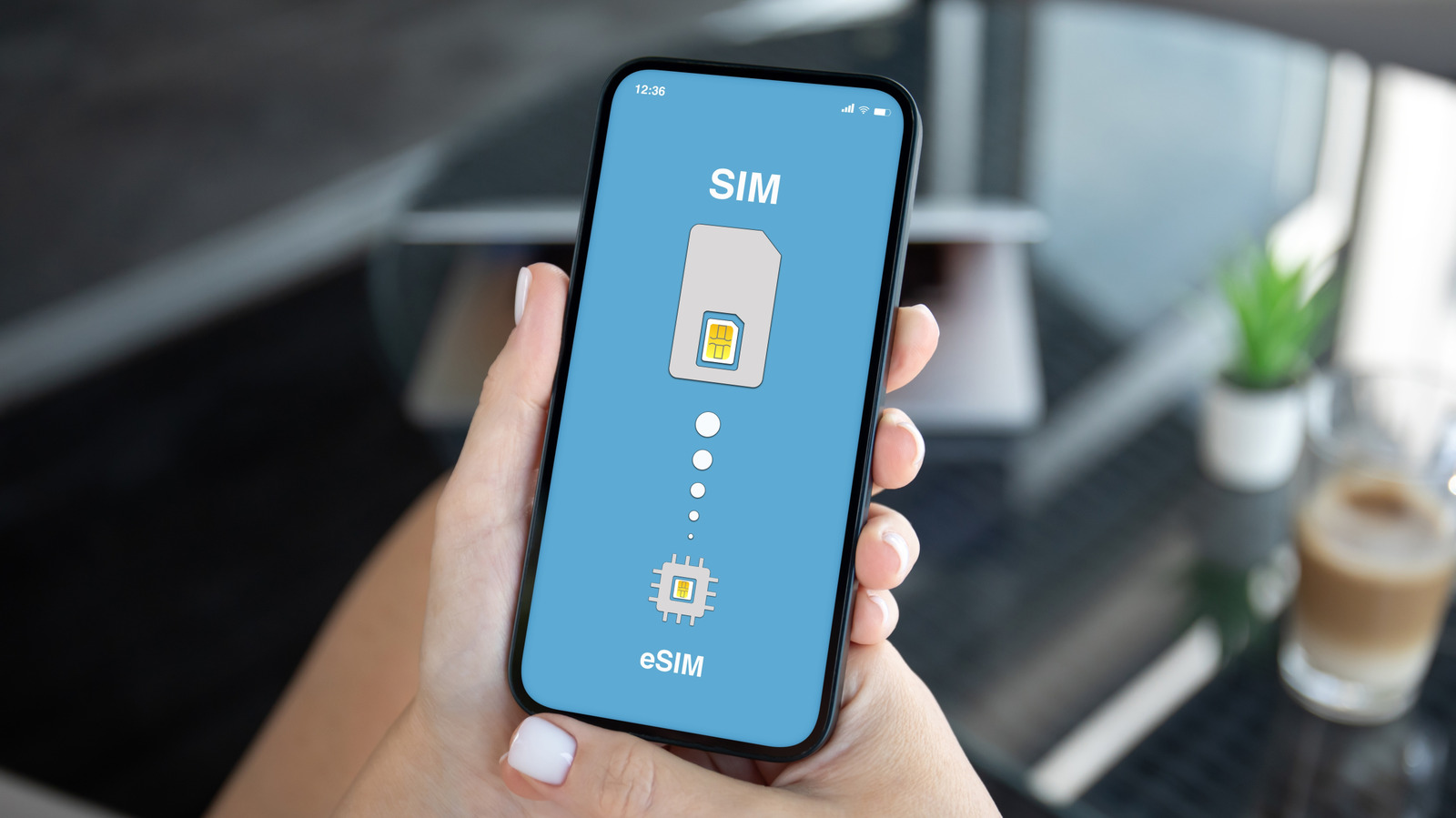
An eSIM delivers cellular reception, ping rates, and data throughput identical to a traditional physical nano-SIM card, but it replaces removable plastic trays with programmable internal smartphone hardware for instant carrier activations and flexible multi-network profiles. According to verified reports from Engadget, using an embedded digital profile introduces zero loss in baseline network performance compared to legacy physical cards. Instead, the operational contrast lies in device onboarding and multi-carrier mobility. Physical SIM cards require manual handling and pin-ejector tools, whereas eSIM profiles download directly via QR codes, telecom apps, or system setup menus. For touring mobile competitors and frequent international travelers, this architecture eliminates visits to airport retail kiosks to acquire foreign prepaid data plans. Players can easily toggle between active domestic lines and local travel profiles on compatible devices, ensuring uninterrupted data access during transit. However, device transfers present minor friction, as moving an eSIM to a backup handheld requires carrier authentication rather than simply shifting a physical plastic chip. When preparing an offline tournament battlestation or home practice hub, optimizing your router setup alongside your cellular plan prevents throttling, as detailed in our [Gaming Home Network Setup: 5 Common Mistakes to Avoid [Full Guide]](/news/gaming-home-network-setup-mistakes-guide).
Competitive & Tournament Impact
In high-stakes mobile esports titles like PUBG Mobile and Free Fire, stable network ping directly dictates close-quarters time-to-kill and micro-spacing during final circle rotations. Because both eSIM and physical SIM cards link to identical cellular base bands and 5G spectrum allocations, neither medium grants an inherent latency advantage. However, tactical reliability shifts dramatically for traveling pro rosters competing in regional qualifiers and global invitational brackets. Competitive squads attending offline stages can preload secondary high-speed eSIM data plans before touching down, avoiding venue Wi-Fi congestion and packet loss during high-intensity scrimmages. Having instant secondary line redundancy ensures team captains and in-game leaders maintain voice comms and tactical synchronization if hotel internet collapses hours before tournament bracket seeding. Smooth connectivity guarantees consistent practice schedules, keeping roster chemistry sharp, weapon recoil control dialed in, and map rotation timing flawless across international bootcamps without sudden technical forfeits or disruptive connection dropouts.
Market & Ecosystem Relevance
The shift toward frictionless mobile connectivity correlates with rising activity across secondary competitive account marketplaces and player economies. Mobile esports competitors invest heavily in prestigious cosmetic collections, from Level 7 upgradable Glacier M416 skins and maxed Pharaoh X-Suits to high-tier competitive Conqueror IDs. On the 217G digital marketplace, fully unlocked tournament-ready competitive accounts consistently command valuations between PKR 20,000 and PKR 100,000 (AED 300 to AED 1,500), reflecting sustained buyer demand. Physical SIM swapping has historically presented SIM-swapping vulnerabilities and SMS authentication exploits during account transfers. In contrast, modern eSIM profiles lock to hardware encryption and biometric prompts, providing tighter multi-factor authentication hygiene for digital asset managers. Players trading verified accounts, weapon finishes, and high-rank mobile IDs benefit from pairing secure cellular infrastructure with 217G verified escrow protection, preventing unauthorized credential takeovers and guaranteeing safe, rapid peer-to-peer liquidity for digital inventory.
Looking Ahead
As global manufacturers accelerate eSIM adoption throughout 2026, mobile tournament organizers are aligning travel requirements accordingly. Major competitive leagues, including the PUBG Mobile Global Championship qualifiers and upcoming regional ESL Snapdragon Pro Series tournaments, are standardizing digital carrier setups for participating squads. Expect major telecom providers to roll out dedicated low-latency gaming eSIM roaming passes alongside competitive patch cycles throughout late 2026.
VERIFIED SEARCH QUESTIONS
Extracted for Competitive GamersFrequently Asked Questions & Practical Advice
Q1:Does an eSIM provide faster gaming ping than a physical SIM?▼
No, an eSIM does not offer lower latency or faster download speeds than a physical SIM card. Both connect to the exact same cellular spectrum, tower infrastructure, and modem hardware inside your smartphone, ensuring identical ping rates and data transfer speeds during live mobile gaming sessions.
Q2:Can esports players switch eSIM profiles while traveling for tournaments?▼
Yes, compatible modern smartphones can store multiple digital eSIM profiles simultaneously. Mobile competitors traveling abroad can easily purchase and activate local international carrier data packages before departure, toggling between domestic and foreign plans instantly without physically opening their device or removing their primary domestic carrier card.
Q3:How does eSIM adoption protect high-value competitive gaming accounts?▼
eSIM technology significantly reduces unauthorized physical SIM-swap attacks by embedding carrier profiles inside device hardware protected by biometrics and carrier authentication. This enhanced security layer safeguards two-factor authentication codes for mobile gaming accounts holding rare skins, Conqueror titles, and valuable digital inventories traded on platforms like 217G.
DAILY DROP HUB
🎁Claim Free Fire & PUBG Redeem Codes →
2026 PRO RANKING
🎯View Weekly Weapon & Hero Tier Lists →
Search Topics:#Gaming Hardware#Mobile Esports#eSIM vs Physical SIM#217G Intel#Esports News#Marketplace
Verified Gaming Escrow
Visit 217G.com →Want Verified Accounts & Competitive Loadouts?
Check out 217G Marketplace for Glacier skins, X-Suits, high-tier competitive gaming accounts, and instant escrow transfer.
COMMUNITY META DEBATE
Which weapon dominates the current 2026 competitive patch?
3,660 votes cast
Click any weapon to vote and reveal live community sentiment.
Discuss on WhatsApp (0344 329 2360)