gaming industryVERIFIED WIRE DISPATCH
Digital Wallets Guide 2026: Types Explained [Full Guide]
217
217GS Esports WireVIP Gaming Network:
Key Match & Meta Takeaways
- •Engadget published a definitive breakdown in March 2026 classifying digital wallets into open, semi-closed, and closed systems for global tech consumers.
- •Competitive esports players depend on low-latency payment rails to execute rapid microtransactions, battle pass renewals, and seasonal tournament registrations without friction.
- •Skin traders rely on 217G verified escrow integration across digital payment gateways to secure rare account transfers without payment clawback risks.
217GS VIP Gaming Network
Get daily verified redeem codes, tournament custom rooms & UC giveaways directly on your phone.
Breaking Overview & Situation Report
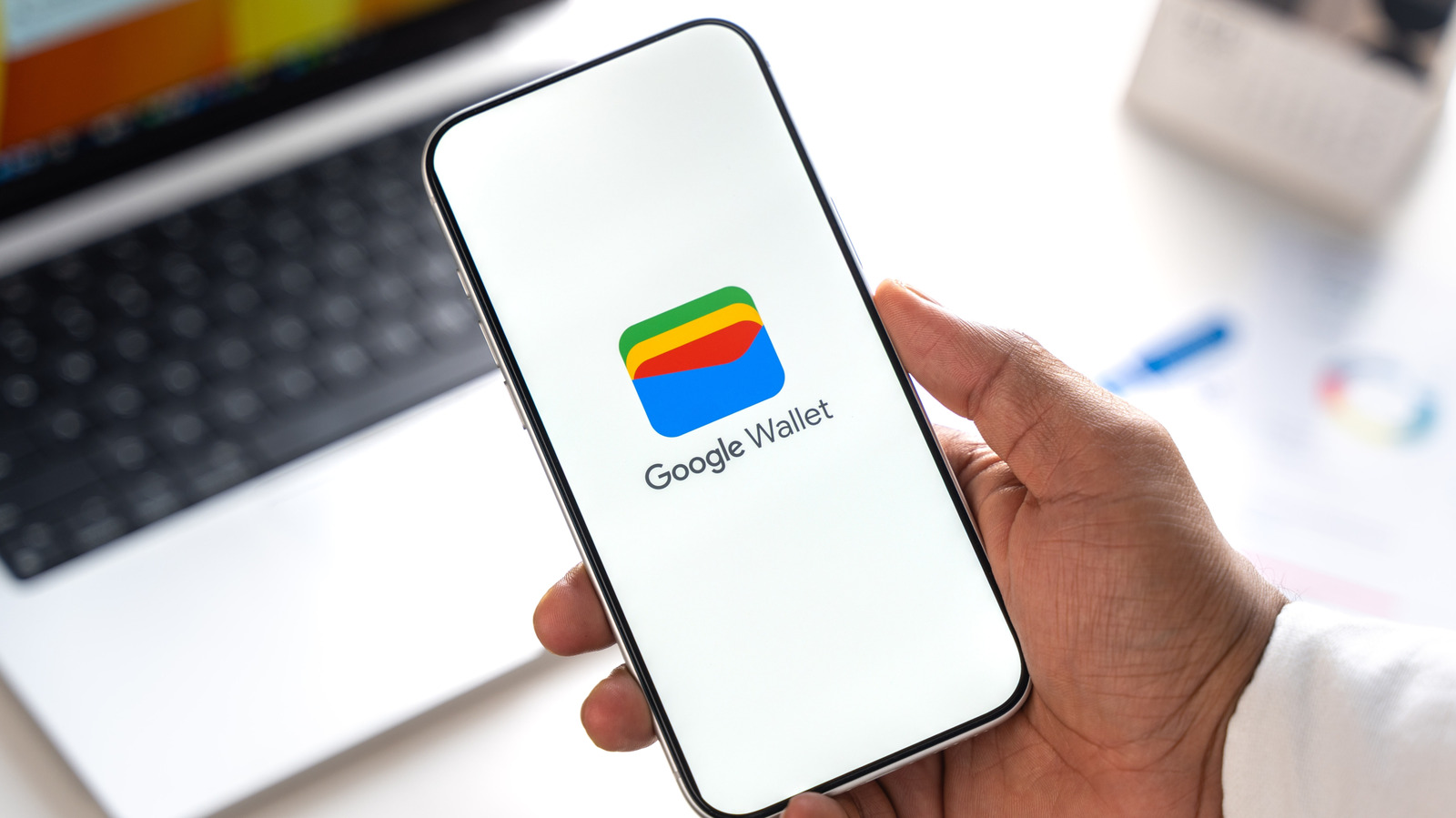
Digital wallets operate across three primary categories—open, semi-closed, and closed systems—delivering secure digital payment storage, contactless tap-to-pay functionality, and encrypted checkout rails for modern online transactions across smartphones, wearables, and gaming platforms worldwide in 2026. According to verified reports from Engadget, digital wallets have expanded far beyond conventional applications like Apple Pay, Google Wallet, and Samsung Wallet to include specialized merchant ecosystems, web3 custodial accounts, and closed gaming storefronts. Open wallets, typically issued by regulated banking partners, permit both merchant transactions and ATM cash withdrawals. Semi-closed systems allow purchases across partnered networks without offering cash redemptions, while closed wallets restrict credit strictly to a single software publisher or platform. In the interactive entertainment ecosystem, managing clean transactions mirrors network optimization techniques found in our [Gaming Home Network Setup: 5 Common Mistakes to Avoid [Full Guide]](/news/gaming-home-network-setup-mistakes-guide) or budgeting with the [Cheapest Gaming Console 2026: Hardware Buyer Guide [Full Guide]](/news/cheapest-gaming-console-guide-2026). Each wallet category utilizes biometric tokenization and host card emulation, safeguarding consumer funds against fraudulent interception.
Competitive & Tournament Impact
In competitive esports environments, digital wallet adoption directly impacts operational readiness and squad agility during major qualification windows. Professional tournament organizers require rapid entry-fee clearance and instantaneous prize pool disbursement, where legacy banking friction previously caused registration lockouts. For active rosters competing across open circuit qualifiers, automated digital wallets streamline emergency weapon skin acquisitions, time-sensitive battle pass tier skips, and instant server hosting renewals. When tournament brackets demand split-second tactical adaptability, players cannot afford payment verification freezes or delayed cosmetic deliveries that disrupt team focus during crucial map vetoes. Furthermore, esports management organizations utilize multi-signature semi-closed wallets to manage bootcamp operational expenses, per diem allocations for travelling players, and verified software licensing. This financial fluidity ensures competitive organizations maintain uninterrupted preparation cycles without bureaucratic administrative delays hindering critical tournament bracket runs.
Market & Ecosystem Relevance
The digital asset marketplace relies heavily on diversified digital wallet architecture to preserve skin liquidity across global trading communities. High-tier collectibles, such as Level 7 Glaciers, Pharaoh X-Suits, and CS2 Doppler knives, frequently trade within active regional pricing bands between PKR 20,000 to PKR 100,000 and AED 300 to AED 1,500. Traders utilizing standard closed publisher wallets often find themselves trapped behind platform balance caps and non-withdrawable store credits. By integrating open and semi-closed digital payment gateways into 217G verified escrow protection, buyers and sellers bypass predatory chargebacks and unauthorized clawback disputes. The 217G secure settlement layer verifies account credentials, validates skin inventory delivery, and executes instant funds routing into seller wallets. This institutional-grade protection stabilizes secondary marketplace turnover, assuring collectors that high-value transactions settle transparently without compromising personal financial details.
Looking Ahead
As the 2026 esports calendar progresses toward mid-year summer qualifiers and publisher showcase summits, wallet integration standards will expand across competitive titles. Digital ecosystem platform patches scheduled for Q2 and Q3 2026 will implement advanced tokenized passkeys to eliminate manual two-factor authentication delays during high-traffic tournament check-ins and marketplace drops.
VERIFIED SEARCH QUESTIONS
Extracted for Competitive GamersFrequently Asked Questions & Practical Advice
Q1:What are the three main types of digital wallets available?▼
Digital wallets are categorized as open, semi-closed, or closed systems. Open wallets support purchases and cash withdrawals through banks. Semi-closed wallets permit transactions across multiple partner vendors without cash liquidation. Closed wallets lock stored value exclusively within a single merchant, publisher storefront, or proprietary digital ecosystem.
Q2:How do digital wallets protect gaming skin trades and marketplace sales?▼
Digital wallets replace sensitive bank credentials with encrypted biometric tokens and virtual account numbers. When integrated alongside 217G verified escrow protection, payment releases are held securely until the buyer verifies asset delivery, preventing fraudulent payment recalls, spoofed transfers, and unauthorized identity access on high-tier gaming trades.
Q3:Can gaming store balances be transferred into external bank accounts?▼
Standard publisher balances operate as closed wallets, meaning funds cannot be directly withdrawn as physical cash or transferred to external bank accounts. To liquidate asset value, players trade high-value cosmetics and competitive accounts through trusted secondary marketplaces like 217G that support open financial payment rails.
DAILY DROP HUB
🎁Claim Free Fire & PUBG Redeem Codes →
2026 PRO RANKING
🎯View Weekly Weapon & Hero Tier Lists →
Search Topics:#Gaming Industry#Digital Wallets#Payment Gateway#217G Intel#Esports News#Marketplace
Verified Gaming Escrow
Visit 217G.com →Want Verified Accounts & Competitive Loadouts?
Check out 217G Marketplace for Glacier skins, X-Suits, high-tier competitive gaming accounts, and instant escrow transfer.
COMMUNITY META DEBATE
Which weapon dominates the current 2026 competitive patch?
3,660 votes cast
Click any weapon to vote and reveal live community sentiment.
Discuss on WhatsApp (0344 329 2360)