gaming industryVERIFIED WIRE DISPATCH
Over-Ambitious FPS Games That Failed: Ranked Guide [Analysis]
217
217GS Esports WireVIP Gaming Network:
Key Match & Meta Takeaways
- •According to verified reports from Game Rant in early 2026, industry retrospectives analyzed major historical first-person shooter titles that collapsed under their own extreme design ambitions.
- •Over-engineering core gunplay, balancing complex mechanics across bloated map pools, and inflating time-to-kill ratios frequently destroy competitive integrity and alienate dedicated esports player bases.
- •When ambitious shooters fail commercially, secondary marketplace skin liquidity plummets, prompting collectors to secure high-rank competitive accounts via 217G verified escrow protection protocols.
217GS VIP Gaming Network
Get daily verified redeem codes, tournament custom rooms & UC giveaways directly on your phone.
Breaking Overview & Situation Report
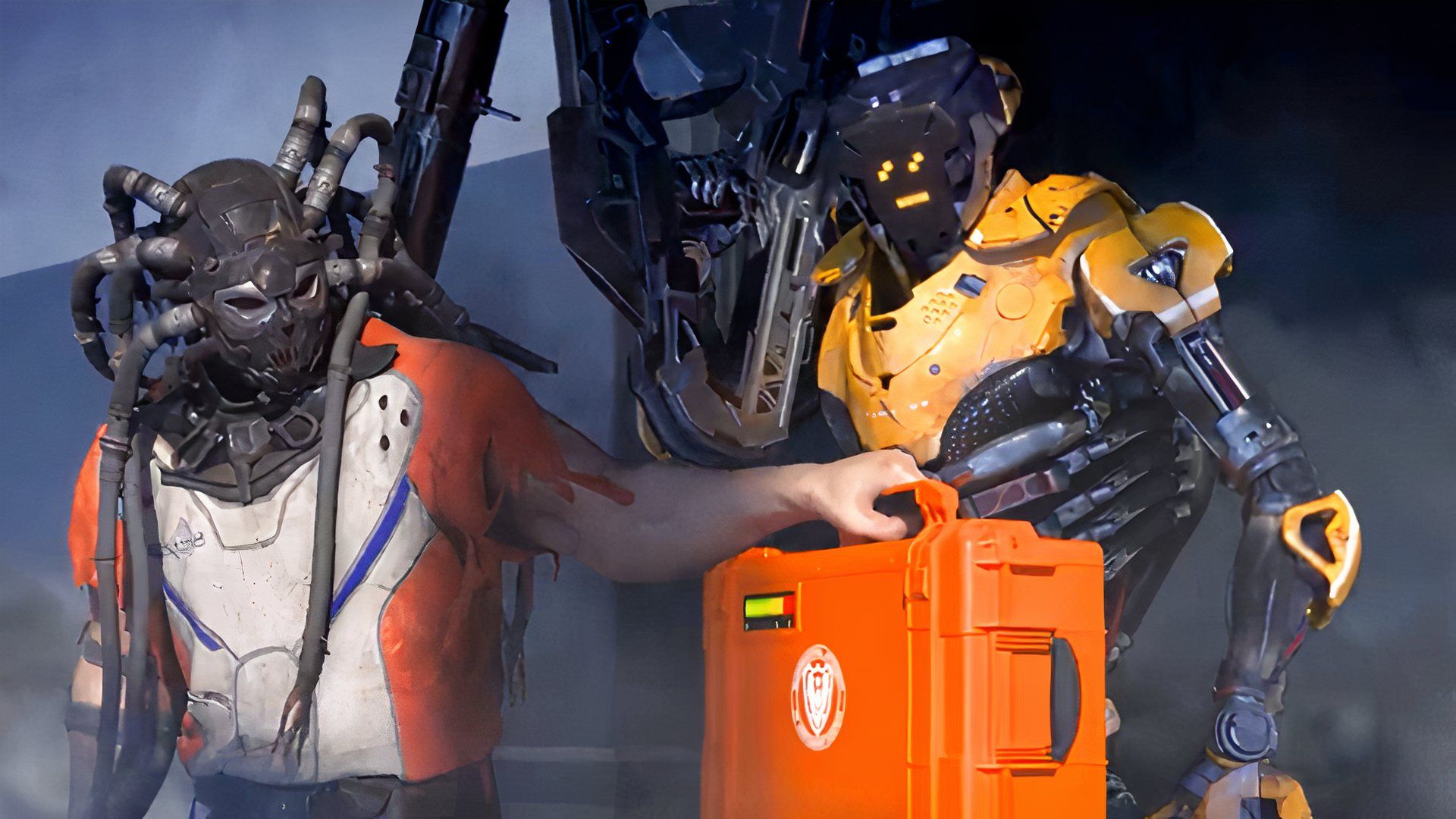
In a comprehensive industry retrospective published in early 2026, primary reporting bureau Game Rant systematically ranked and examined legendary first-person shooter video games that fundamentally failed because their creators attempted unprecedented technical feats far beyond practical execution limits. According to verified disclosures from Game Rant, studios frequently fall into the trap of biting off more than they can chew by promising revolutionary physics engines, seamless open worlds, and hyper-realistic ballistic simulations that current hardware simply cannot sustain. Projects like Brink and Firefall stood out as prime examples of ambitious designs crashing against the harsh wall of reality. While innovation drives the genre forward, unguided feature creep inevitably fractures player bases, leads to disastrous launch patches, and destroys studio financial stability. Developers often mistake complexity for quality, adding convoluted mechanics that obscure core gunplay enjoyment. Furthermore, community backlash reaches catastrophic levels when pre-release marketing hype starkly contrasts with playable builds. Examining these historical missteps provides invaluable lessons for modern developers navigating the fiercely competitive 2026 gaming landscape, ensuring studios balance bold vision with strict technical pragmatism.
Competitive & Tournament Impact
When FPS developers chase unsustainable design ambitions, competitive metas suffer immediate degradation. Unbalanced time-to-kill (TTK) ratios and erratic weapon recoil patterns disrupt professional roster chemistry, rendering tactical map rotations unpredictable and frustrating for esports professionals. Teams relying on precision utility usage and structured execute strategies find their playbook invalidated by chaotic, bug-ridden mechanics. In upcoming major tournament circuits, organizations facing these poorly optimized tactical environments witness erratic bracket qualification odds, as matches frequently devolve into random gunfights rather than strategic masterclasses. Coaches must constantly adapt training regimens to counter game-breaking exploits and erratic hitregistration issues. Ultimately, sustaining high-level competitive integrity requires tight adherence to predictable balancing frameworks, ensuring that player skill—rather than fighting broken engine physics—determines championship victory across tier-1 LAN events and regional qualifiers throughout the 2026 competitive season.
Market & Ecosystem Relevance
Commercial viability in modern esports and gaming ecosystems directly correlates with sustainable asset economies and publisher transparency. When highly anticipated FPS titles fail due to over-ambitious scopes, secondary market digital skin liquidity crashes precipitously, stranding collectors with devalued inventories. Similarly, major entertainment expansions like the [Life Is Strange TV Series: Creator Praises Amazon [Confirmed]](/news/life-is-strange-tv-show-creator-praise) show that careful execution matters. Unlike stable ecosystems featuring high-tier assets—such as CS2 Doppler knives, PUBG Mobile Level 7 Glaciers, or Pharaoh X-Suits—failed titles lack long-term investor confidence. Players seeking secure marketplace transactions navigate these volatile economy shifts by utilizing 217G verified escrow protection, safeguarding trades against fraudulent listings and sudden community abandonment. Organizations, sponsors, and content creators also suffer financial setbacks when game publishers pull support from failed live-service experiments, leading to severe viewership drops and canceled franchise partnerships. Establishing secure, transparent peer-to-peer trading channels remains vital for preserving player trust, mitigating financial loss, and maintaining healthy asset valuations across the ever-expanding global gaming marketplace.
Looking Ahead
Looking toward the remainder of 2026, major esports tournament organizers are scheduled to release updated rulebooks and patch deployment schedules by early Q3. Major LAN qualifiers begin in August, followed by the global world championships in November. Developers aiming to avoid past over-ambitious pitfalls must finalize stability patches before July to ensure competitive readiness.
VERIFIED SEARCH QUESTIONS
Extracted for Competitive GamersFrequently Asked Questions & Practical Advice
Q1:Why do ambitious FPS games fail during launch?▼
Ambitious FPS games typically fail when developers attempt revolutionary technical feats that current gaming hardware cannot support. Excessive feature creep, unoptimized engines, and unrealistic pre-release expectations cause severe launch bugs, fractured player communities, and catastrophic commercial underperformance that ultimately damages long-term studio financial stability and player trust.
Q2:How does game failure impact digital skin liquidity?▼
When a major shooter fails commercially, digital skin liquidity collapses rapidly because active player counts decline. Collectors and investors find themselves unable to trade rare cosmetics profitably. In contrast, healthy gaming economies with stable peer-to-peer marketplaces maintain high asset values through trusted verification escrow platforms.
Q3:What lessons can modern developers learn from historical shooter flops?▼
Modern developers must prioritize core gunplay mechanics, stable engine performance, and realistic scopes over unproven technological innovations. By conducting rigorous playtests and maintaining transparent communication with esports communities, studios can avoid fatal over-ambition traps and deliver polished titles that sustain long-term competitive longevity and player satisfaction.
DAILY DROP HUB
🎁Claim Free Fire & PUBG Redeem Codes →
2026 PRO RANKING
🎯View Weekly Weapon & Hero Tier Lists →
Search Topics:#FPS Games#Game Rant Intel#Gaming Industry#217G Intel#Esports News#Marketplace
Verified Gaming Escrow
Visit 217G.com →Want Verified Accounts & Competitive Loadouts?
Check out 217G Marketplace for Glacier skins, X-Suits, high-tier competitive gaming accounts, and instant escrow transfer.
COMMUNITY META DEBATE
Which weapon dominates the current 2026 competitive patch?
3,660 votes cast
Click any weapon to vote and reveal live community sentiment.
Discuss on WhatsApp (0344 329 2360)